Are Automatic Litter Boxes Easier to Clean? My Experience After 3 Years
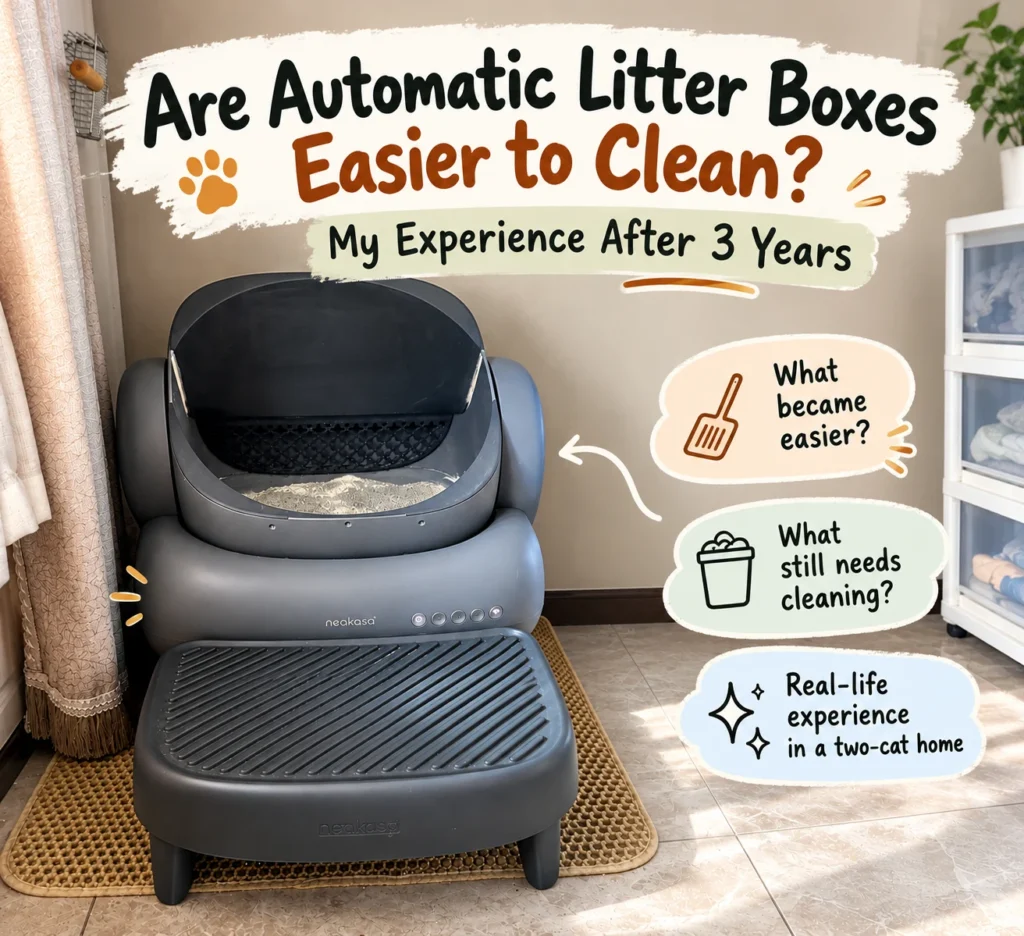
After about three years of owning automatic litter boxes, my answer is yes: they can make litter-box care easier. But the difference is in the work they take over, not in making the cleaning disappear.
Disclosure: This post contains affiliate links. If you buy through them, MultiPetLife may earn a commission at no extra cost to you.
I used a CATLINK ProX from September 2023 to February 2026, then switched to a Neakasa M1 Plus, which I am still using in October 2026. Automatic waste collection handles the repeated scooping; I still handle the bags, litter refills, interior cleaning and surrounding floor. What changed most for me was how manageable that remaining work felt.
Both of my cats use the Neakasa, our only active litter box. These are observations from sequential ownership in one household, not a side-by-side test or conclusions about every owner’s experience. The box count is a description of our setup, not a recommendation for other two-cat homes.
What “self-cleaning” actually removes
The automatic cycle collects waste, reducing the repeated job of scooping clumps. The collected waste still needs disposing of, and litter still needs replenishing—a distinction also made in PetMD’s vet-reviewed explanation of the workload.
Cleaning the equipment is another job. A machine can carry out its normal cycle while leaving you with components to remove, surfaces to reach and parts to dry. Daily automation and easy deep cleaning are separate qualities.
What maintenance still looks like in my home
This is my personal routine, not a universal maintenance schedule. The intervals are approximate. Follow your exact model’s instructions, household use and the box’s actual condition; a full or dirty compartment needs attention rather than waiting for a date on the calendar.
The recurring jobs
Vacuuming around the box, adding litter and handling the waste bag remain hands-on jobs. Bag changes can be further apart than the other tasks: in my two-cat home, I can sometimes go up to about two weeks before changing the bag. That varies with our use; it is not a recommended replacement interval.
Approximately monthly, and every three to four months
About once a month, I empty the litter and wipe the interior. Roughly every three to four months, I remove the chamber for a deeper wash.
For cleaning precautions, check the manual for your device. The manufacturer-linked Neakasa M1 manual and CATLINK Scooper Pro-X manual distinguish removable components from electronic-body care, including power-off precautions, drying and restrictions on directly washing electronic parts. Do not assume an entire machine can be washed or that a wipe suitable for one surface is suitable for another.
Those manuals cover model families; I have not confirmed the exact regional or hardware revisions of my devices. I am using my own model names here and describing the work involved, rather than providing a disassembly guide or recommending a disinfectant.
The cleaning problem behind my CATLINK replacement
My CATLINK had an enclosed globe. To give it a thorough clean, I had to detach the globe, move it to the bathroom and reach inside with my arm and a brush. Some corners were awkward to reach through the opening. Litter could get caught in the seams, and the emptying function did not get all of it out in my use.
Deep cleaning brought a noticeable smell, too. After more than two years, I could see wear in the material at the bottom. It was that combination of long-term cleaning and maintenance friction that led me to replace it.
There was plenty I appreciated about the CATLINK. The interior felt spacious, and I liked the App’s clear, simple interface. I used the toileting-history records and recent comparisons as useful logs, not as a medical diagnosis.
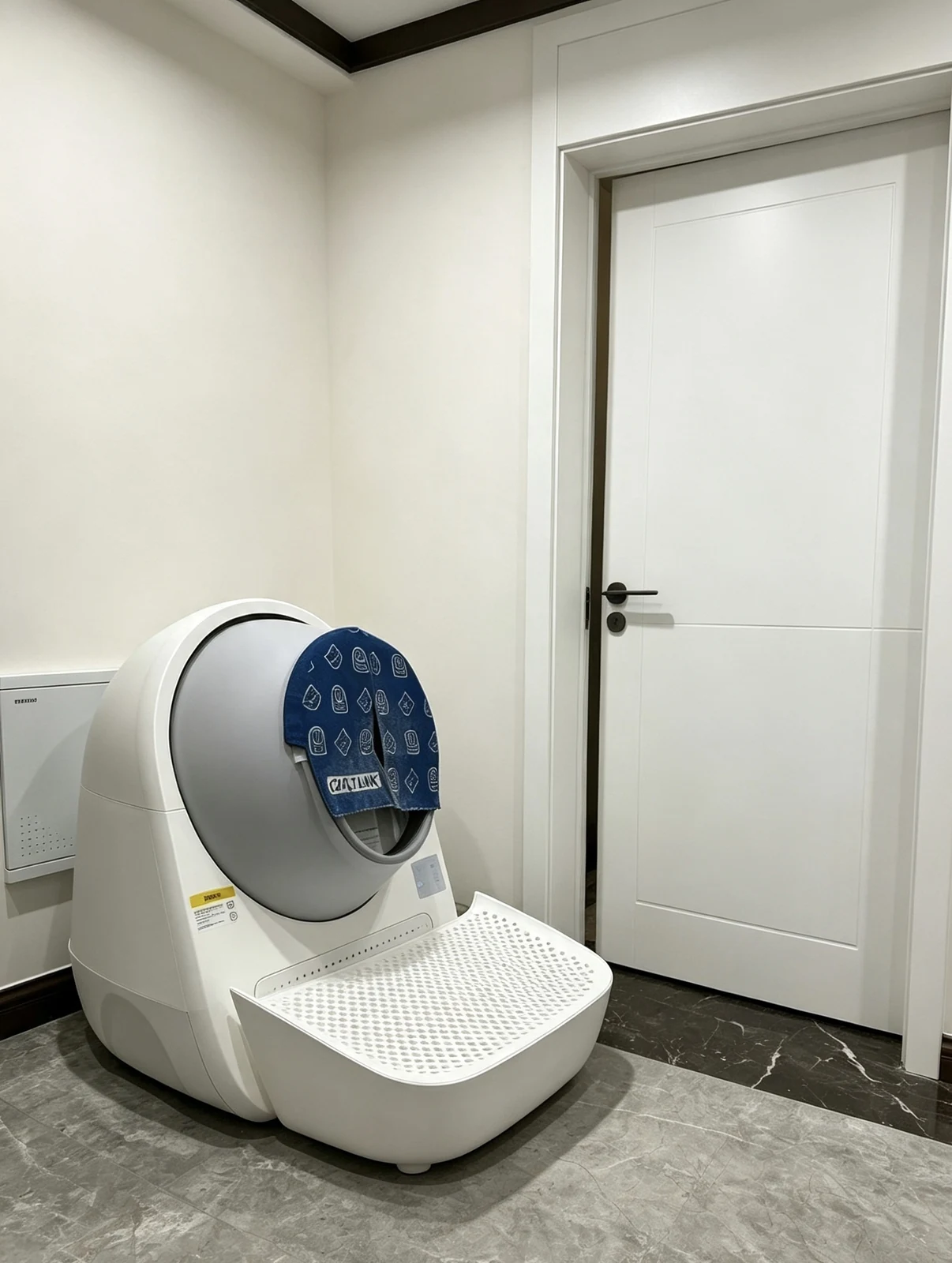
Looking back, the maintenance questions deserve as much attention as the automatic cycle or the App. How easily can I reach inside? How do the parts come out? Where can I take them to clean them? Those details matter when a machine has been part of daily life for years.
A box can automate scooping without making deep cleaning easy. For me, access to the places that needed cleaning became an important part of long-term convenience.
What became easier after switching to Neakasa
I find the Neakasa easier to look after. Bag replacement is more convenient, the waste compartment feels larger, and the overall cleaning access works better for me. Those are handling impressions rather than a measured capacity comparison.
Opening the waste area or replacing the bag still produces a noticeable smell. I think the App is average, and I would like the bag handling to be more automated, ideally including packing the bag. There is still a hands-on disposal job at the end of the automatic process.
Both cats started using the replacement without an obvious adjustment period, and I have not noticed a clear preference between them.
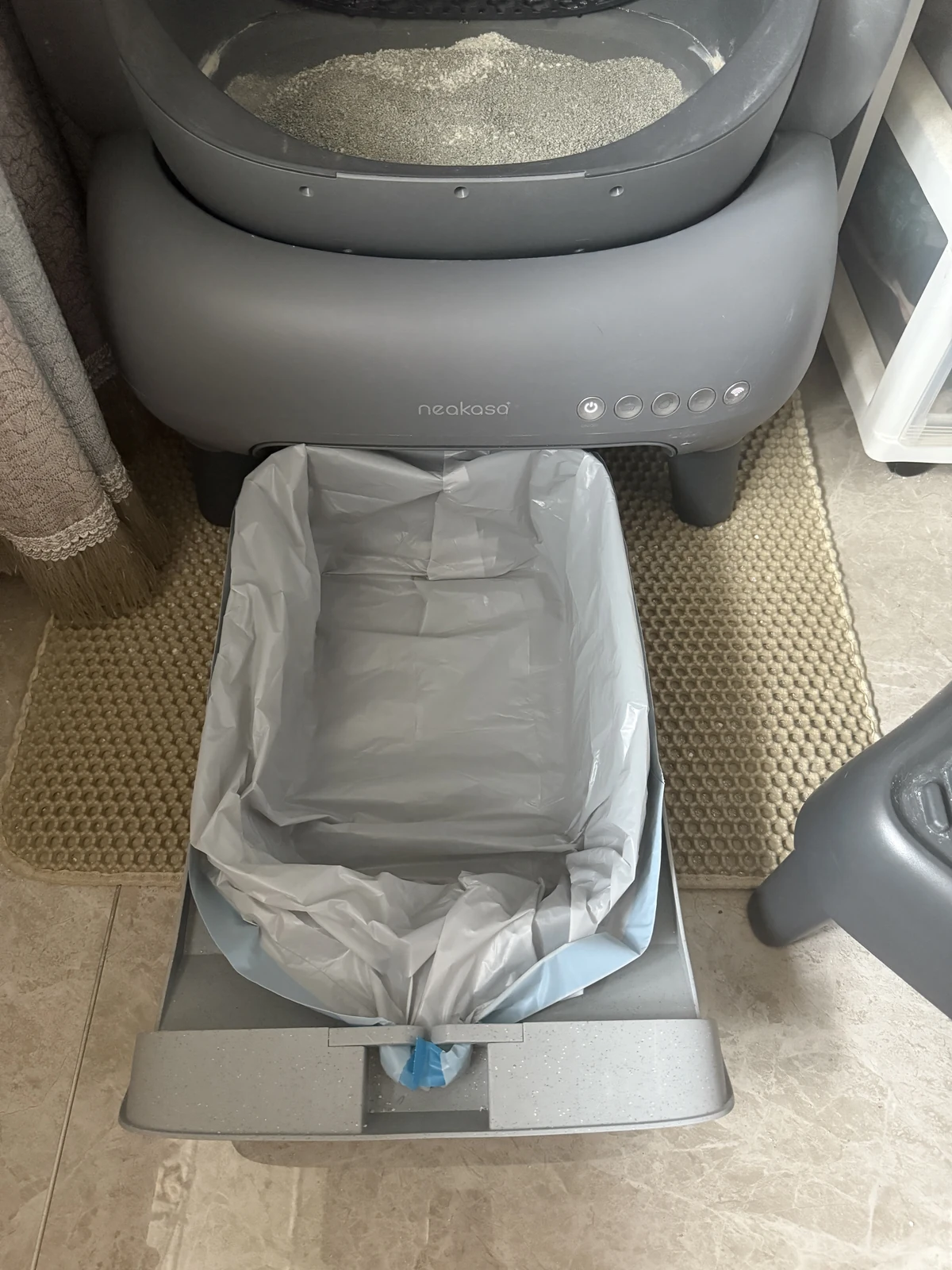
The change suited the way I maintain the box. It did not remove every inconvenience—and it brought a different one on the floor around it.
One trade-off: more litter on the surrounding floor
I saw less litter tracking during the enclosed CATLINK period than I do around the current open Neakasa setup. I kept the same litter mixture across the change, but that does not establish that the open design caused the difference.
For the litter side of that decision, my guide to choosing litter for an automatic box covers compatibility, particle behavior and mixing trade-offs.
Neither of my cats is an especially enthusiastic digger. Most of the litter I see being carried out comes with them as they leave. Qitiao, my long-haired cat, brings out more than Erbing.
The box sits by a window in a small room with tile flooring. I added a step in front to help short-legged Qitiao get into the box and to provide a first litter-catching surface. Some litter stays on it as the cats leave, and I can periodically tip that out. This is my own addition, not a manufacturer recommendation.
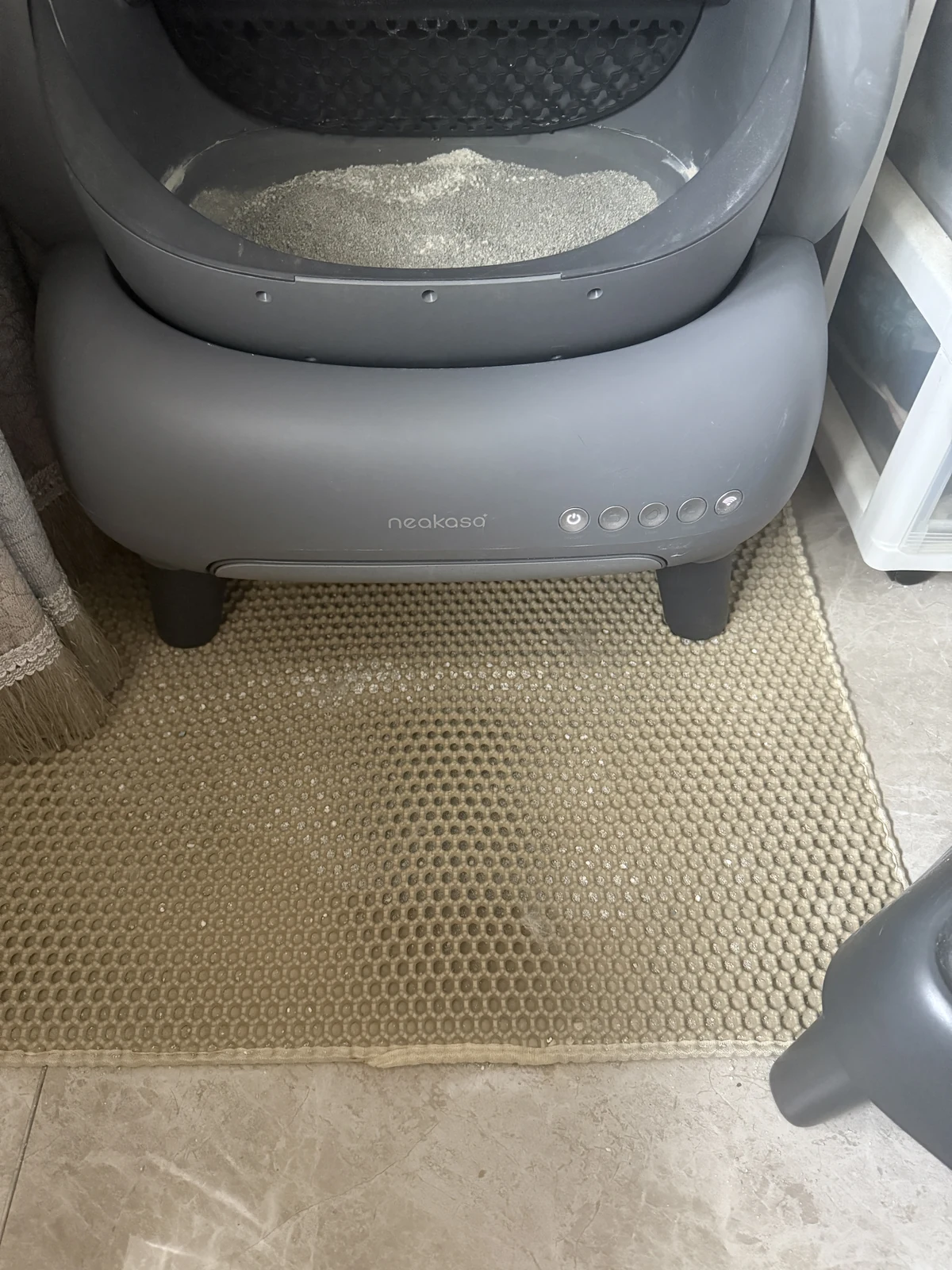
Underneath is a large litter mat that extends beyond the box and step. At the time of these photos, I had not emptied it for roughly three months. A substantial amount of litter was still held within its structure, with very little visible on the surrounding tile.
The floor photo was taken after about a month without dedicated cleanup of tracked litter in that area. There are still a few visible grains. The step-and-mat combination has been helpful here, but it has not eliminated tracking.
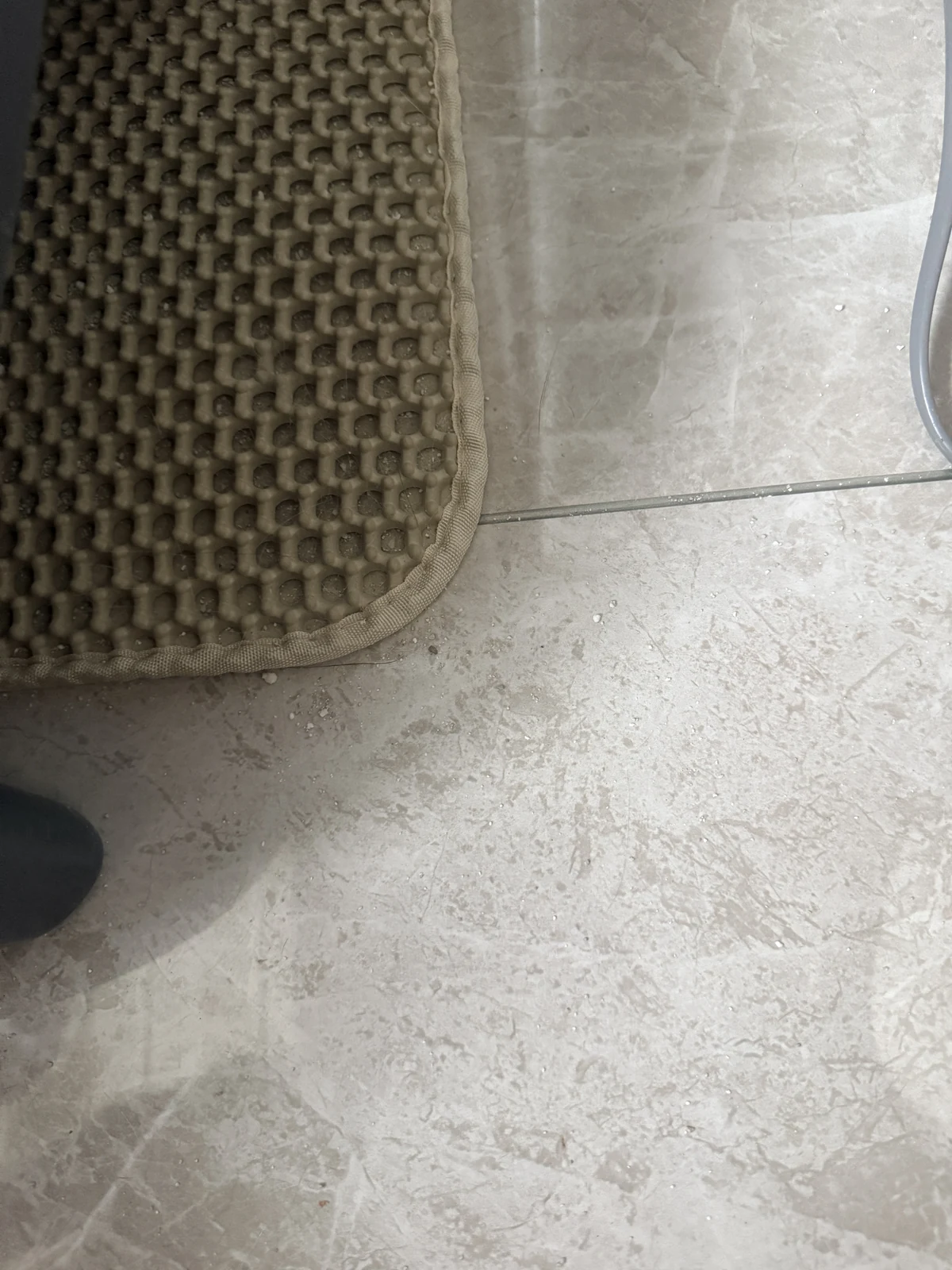
The mat, a robot vacuum and a vacuum cleaner have all helped. None has completely solved the tracking. If you are planning your own arrangement, follow your device’s placement guidance for the mat and surrounding space.
This is where my maintenance preference comes with a trade-off: I prefer handling and cleaning the current machine, but I notice more litter outside it. The condition of the surrounding floor belongs in the workload assessment, too. For a separate household task, our guide to keeping pet hair manageable around the house covers floors, sofas and bedding.
Questions about the work left behind
Before choosing automation, identify the job you most want help with. Wanting fewer scooping repetitions is different from wanting less waste handling or easier access for a thorough clean.
Use the instructions and a clear view of the cleaning process to answer a few practical questions:
- What task am I trying to automate? Repeated scooping, or something the machine will still leave to me?
- How do removable parts come out? Check the cleaning procedure, not just a demonstration of the normal cycle.
- Where will I deep-clean them? Think through carrying, washing and drying the parts the manual allows you to remove.
- How easy is waste-bag access? Look at the handling involved when the compartment needs emptying.
- What happens around the box? Include the floor and litter-catching area in the work you expect to maintain.
- What does the exact-model manual require? Check component care and cleaning precautions before settling on a routine.
The cats still need a clean, usable setup. Ohio State’s Indoor Pet Initiative considers hygiene alongside box type, location and resource availability. Automation addresses one part of that picture.
So, are automatic litter boxes easier to clean?
For me, yes in one important sense: automatic waste collection takes over repetitive scooping, and my current machine is a better fit for the maintenance I still do. I prefer its cleaning access and bag handling.
Neither system removed waste handling, litter refills, interior care, periodic deep cleaning or the surrounding-floor cleanup. My current preference also comes with waste-area odor and more observed tracking.
After about three years of ownership, I would judge the maintenance left behind as carefully as the task advertised as automatic.